Some things can send an immediate shock of unwanted adrenaline through your veins:
A check engine light while you’re driving through the desert.
Or…
A patient’s body fluids ending up on your skin in the bioresponse unit.
Yeah, nobody wants that.
As bioresponse and infection control teams face evolving threats, including antibiotic-resistant bacteria and emerging viruses, the demand for failure-resistant protection has never been higher. Sloan Medical’s PPE uses reliable, ASTM-F1671 tested material technology to help the teams we protect move beyond basic barrier PPE and provide support for clinician performance, patient safety, and institutional readiness.
What specific features of Sloan Medical’s PPE enhance protection against biological hazards?
Sloan Medical’s PPE is engineered with a focus on barrier integrity and molecular-level defense. Unlike standard/commodity grade products that rely on thinner, possibly permeable, synthetic layers, Sloan’s PPE technology incorporates advanced composite polyethylene materials that provide superior barrier efficiency without compromising breathability.
The Demands Placed on Bioresponse Teams
Commodity-grade PPE was designed for routine procedures, not the intense stressors of a biological emergency or isolation ward. Bioresponse units are dedicated to emergency preparedness, containment, and clinical management of high-consequence infectious diseases (HCIDs) and bioterrorism/biothreat agents. Regular barrier PPE isn’t going to cut it. Standard gear often fails due to poor fit, rapid degradation during long shifts, propensity to rip and tear, and a lack of integrated protection options for surfaces and medical instruments in the room. These gaps force clinicians to prioritize gear adjustment over patient care.
Innovation in Design: the Real Needs of Modern Bioresponse Teams
2020. COVID-19. Bioresponse teams were thrust into the international spotlight, highlighting the shortcomings (and shortages) of available PPE.
One of the major pain points with conventional PPE lies in its sizing which often translates to ill-fitting, uncomfortable gear that can slip, rip, tear, or require constant adjustment. Sloan Medical prioritizes ergonomic, breathable designs, using one-size PPE fit technology that accommodates a diverse workforce.
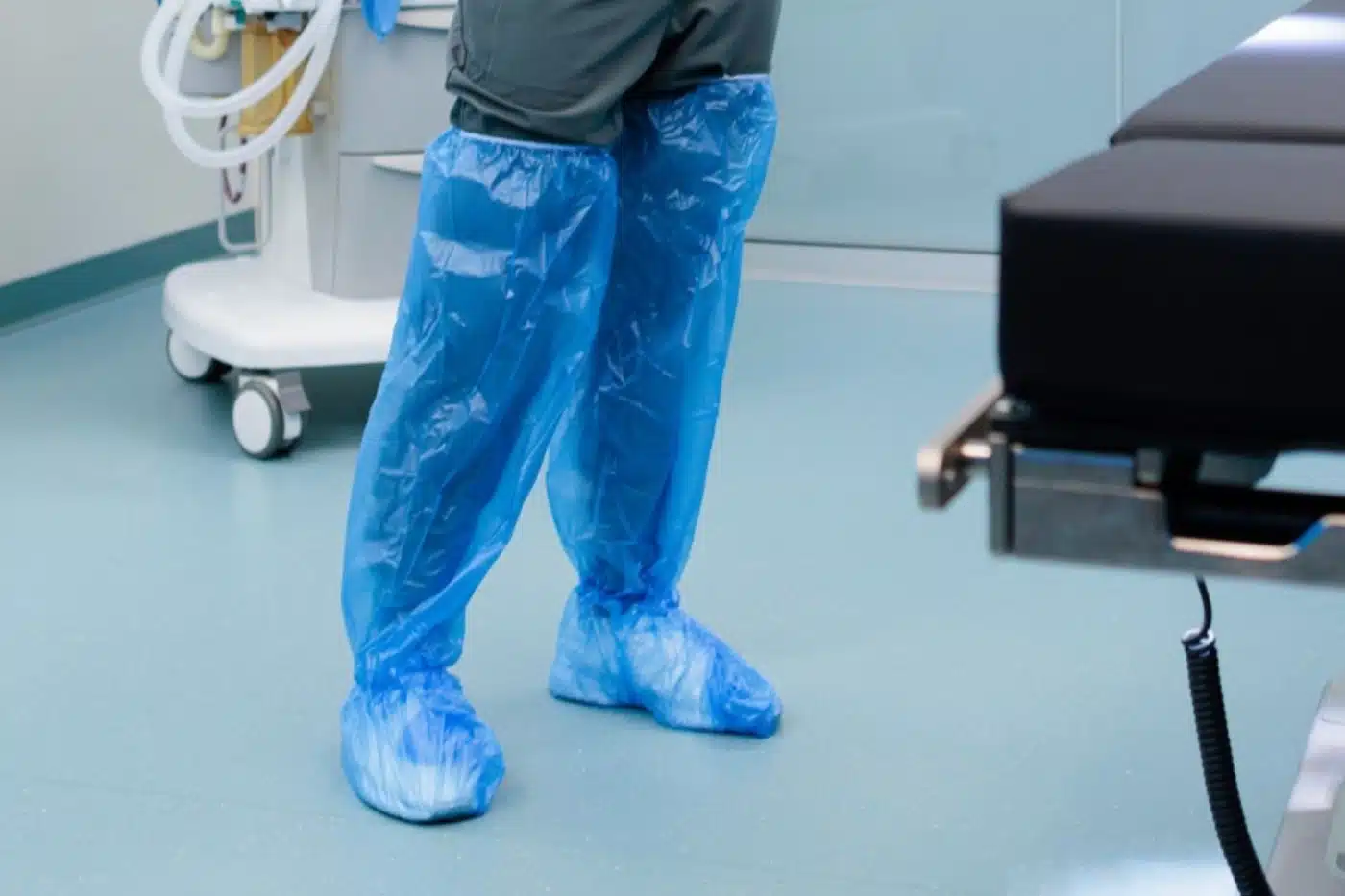
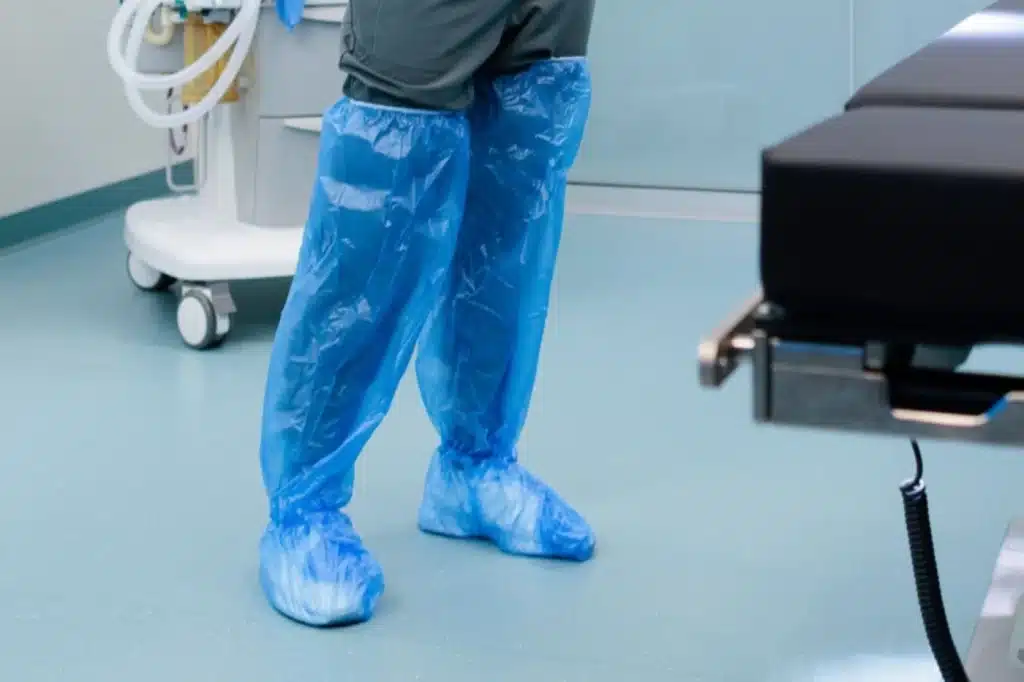
Sloan Medical’s STA-DRI line of disposable medical protective clothing keeps bioresponse teams safer, with features like reinforced, heat-sealed seams, lab tested and verified impermeability, and integrated glove sleeves that minimize skin exposure. The entire line can be combined to create a layered protection kit. The specially designed booties and leggings provide maximum coverage without impairing traction or mobility. Plus, strategic venting helps reduce heat buildup and sweat accumulation over long procedures or shifts.
Durability & Reliability Matter in Crisis Situations
Bioresponse teams are looking at extended shifts during health crises. Sloan Medical’s PPE material technology has been rigorously tested in independent labs for impermeability under the ASTM-F1671 standard. This means not only resisting penetration by fluids but also surviving the repetitive motions and stretch demands of a bustling medical environment.
Plus, we’ve tested these products in the real world for endurance, durability, and integrity under continuous use. For surgeries, fluid-heavy procedures in the field, and emergency departments Mount Sinai, Jackson Health System, Broward Health, UPMC, and Mayo Clinic all trust PPE from Sloan Medical. We actively solicit performance information and feedback from our hospital and health system partners, and we adapt our products according to real needs.
Be Prepared for Prions, Bacteriophages, and Antibiotic Resistance
The next wave of biological threats, including multi-drug resistant organisms, requires specialized defense mechanisms. Sloan Medical PPE prepares hospitals for these future challenges by providing gear tested against a broader spectrum of bio-hazards. By viewing PPE as a critical component of institutional infrastructure, facilities can build a robust defense that survives long after the immediate crisis concludes.
Our proprietary materials are engineered to act as barriers against not only common pathogens but also emergent biohazards that could potentially jeopardize hospital environments.
Addressing the Invisible Toll: Skin Health and Clinician Performance
The Physiological Impact of Extended Wear: Contact Dermatitis and Pressure Injuries
Data from the NIH indicates that some 97% of frontline clinicians experience skin damage from prolonged PPE use. This “invisible toll” affects not only staff comfort but also mental focus and clinical outcomes. Constant irritation and physical pain act as distractions, potentially hindering the delicate work required in bioresponse patient care.
PPE has to support the human element of medicine in order to be effective. Sloan Medical’s PPE incorporates specialized, ergonomic design to mitigate the risk of moisture-based skin injuries. STA-DRI products allow surgeons, nurses, and other providers to stay cooler, more comfortable, and more focused.
When a clinician is physically comfortable, their cognitive resources are directed entirely toward the patient. Sloan’s focus on ergonomic, performance-driven equipment helps reduce burnout and increases the precision of diagnostic and clinical tasks.
What training is recommended for bioresponse teams to maximize the effectiveness of Sloan Medical’s PPE technology?
Effective deployment of Sloan Medical’s PPE requires training that focuses on proper donning/doffing techniques and integration with your unit’s existing PPE toolkits. By training your teams in the specific use (and order for donning/doffing) hospitals can ensure that every layer of protection is utilized to its maximum potential.
Engineering Superior Barriers: The Science of Sloan Medical Technology
What material technology does Sloan Medical use in their PPE for medical facilities and hospital bioresponse teams?
Sloan Medical utilizes proprietary multi-layered fabric technologies that are both hydrophobic and fluid-impermeable. These materials are tested against synthetic blood and viral penetration standards, specifically standard ASTM-F1671, to make sure our gear keeps healthcare workers safer and drier, even in the most volatile environments.
Maintaining Barrier Integrity on Stainless Steel Surfaces and High-Touch Zones
Cross-contamination often occurs on high-touch surfaces. Sloan’s STA-DRI technology extends beyond the individual, wearable PPE to include surface-protection materials for mattresses, patient transfer sheets from our ezGLIDE line, and instrument/pedal covers that all integrate with the broader hospital ecosystem, reducing the possible transmission of pathogens to shared equipment.
Can Sloan Medical’s PPE be integrated with existing bioresponse protocols in hospitals?
Absolutely. Our PPE lines, both STA-DRI and ezGLIDE, are designed to be buildable and scalable, allowing our products to replace or complement the PPE you use within your existing operational framework.
When Bioresponse Pressure Rises, PPE Protection Should, Too
If you’re driving down a desert highway and your check engine light comes on, you’ll feel better if there’s a mechanic riding shotgun.
If your bioresponse unit gets activated, you’ll feel better if you have truly impermeable, blood-proof PPE in your supply closet.
As infection control becomes increasingly complex, hospitals need better PPE at the ready. Designed by surgeons, for surgeons and all other healthcare workers, Sloan Medical’s precision-engineered solutions simply keep your staff and patients safer and drier.
Put our PPE to the test in your facility. Order a free PPE sample set from Sloan Medical and try it yourself.